Zambia & Malawi
Where We Serve
Our ministry serves the people of Zambia and Malawi. Here are a few interesting facts about them.
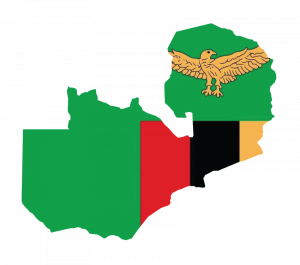
ZAMBIA at a glance
Zambia is a landlocked country in Southern Africa, located east of Angola between latitudes 8°S and 20°S and longitudes 20°E and 35°E. It shares borders with eight countries: Namibia, Botswana, Zimbabwe, Mozambique, Malawi, Tanzania, and the Democratic Republic of the Congo.
Area: 290,585.89 square miles
Population: 19.6 million (2020, est.).
Climate: Three seasons: warm wet season (Nov-April), cool dry season, (May-August), and hot dry season (Sept-October).
Capital City: Lusaka, 3 million (2022)
Official Language: English
Currency: Zambian Kwacha
With almost 20 million people, Zambia is about half the size of Europe. The employment opportunities in mining and associated industries has caused Zambia to be one of the most urbanized countries in Africa. About 1/5 of the population lives in the Copperbelt and an estimated 3.2 million live in Lusaka – the capital.
Zambia’s modern culture is shaped by more than 70 ethnic groups, each with its own traditions and beliefs. During the colonial era, urban growth and Western influence brought these groups together, creating new cultural expressions while many rural communities continued to preserve their traditional ways. After independence in 1964, Zambia began intentionally celebrating its culture through museums and cultural villages that support artistic expression and national identity.
Dance is an important part of musical expression among Zambians and along with the ideas they express, has served as reflectors of life and thought over the centuries. Many traditional instruments are still played throughout the country, although the desire for western instruments continues to increase. The most common traditional instrument, of course, is the drum, and drumming plays an important part of their rituals, ceremonies, celebrations, and community communications.
Zambia’s diverse cultures are reflected in a rich tradition of craftsmanship, including some of the finest basketry in Africa. Many craftspeople are farmers, fishers, or cattle herders who create crafts seasonally to support their families. What began as practical items for trade and daily use remains an important source of income today, especially for small-scale and subsistence farmers.
Zambia’s main urban centers—Lusaka, Livingstone, and the towns of the Copperbelt—attract many people searching for work. Those who cannot find formal employment often settle in informal neighborhoods around the cities. These communities are home to hardworking people who survive through small home-based businesses, including tailoring, shoe repair, food sales, money exchange, and street vending.
While rural life can feel more open and peaceful, limited job opportunities make it difficult for young people. For many, the energy, opportunity, and activity of city life holds greater appeal than the quiet routine of the countryside.
Housing styles vary by tribe, with some families building homes from mud and thatch, while others use fired bricks to create square houses decorated with painted designs. Life in remote villages can be challenging, but the communities are strong and close-knit. People find joy in simple things, share their burdens, and often work together, turning daily chores into social time. Weddings and funerals are supported by the whole community, making them possible for everyone.
Rural life is closely shaped by the natural environment. Communities near lakes often depend on fishing, while others rely on farming, hunting, or honey collecting, depending on the resources around them.
Many traditional customs are still practiced in rural areas, while urban youth often adopt more Western ways of life. Greetings are important and are always exchanged before conversation—if someone approaches you, it is polite to greet them first. A man typically waits for a woman to offer her hand before shaking. Visitors are often given gifts as a sign of respect or friendship, and these should be accepted with both hands and a word of thanks.
Lobola, or bride price, is still widely practiced as a way of honoring the bride’s parents. In many tribes, the bride is taken to the groom’s village the night before the wedding. The entire community gathers to celebrate with shared meals, singing, dancing, and drumming.
There are over 70 different ethnic groups with wide cultural diversity. Interestingly enough however, it is one of the few countries in Africa with very little tribal animosity. The existence of so many tribes has proven less of a political problem than in many other African countries. There are seven main tribes blending together the 70 dialects. These are the Lozi, the Bemba, the Ngoni, the Tonga, the Luda, the Luvale, and the Kaonde.
Zambia holds more than 20 traditional ceremonies each year that reflect long-standing customs, social life, rituals, and spiritual beliefs passed down through generations. These events offer a meaningful window into the country’s traditional culture.
Many ceremonies mark important life stages, especially the transition from childhood to adulthood. In rural areas, some tribes still practice initiation rites for girls after puberty, while only a few continue male initiation ceremonies, which are held in strict privacy.
The ceremonies open to visitors often celebrate ancient history, recalling the founding of early kingdoms by traditional chiefs. These gatherings are vibrant and colorful, filled with symbolic dancing, drumming, and rich cultural expression.
Information from:
https://en.wikipedia.org/wiki/Zambia
Date | Day | Holiday |
1 Jan | Thu | |
8 Mar | Sun | |
12 Mar | Thu | |
3 Apr | Fri | |
4 Apr | Sat | |
6 Apr | Mon | |
28 Apr | Tue | Kenneth Kaunda Brithday |
| 1 May | Fri | Labour Day |
| 25 May | Mon | Africa Day |
| 6 Jul | Mon | Heroes’ Day |
| 7 Jul | Tue | Unity Day |
| 3 Aug | Mon | Farmers’ Day |
| 18 Oct | Sun | Prayer Day |
| 24 Oct | Sat | Independence Day |
| 25 Dec | Fri | Christmas Day |
Information from: publicholidays.africa/zambia
MLAWI at a glance
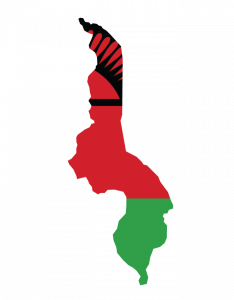
Area: 45,747 sq miles.
Population: 21.7 million (2024)
Climate: Sub-tropical with a rainy season (Nov-May) and a dry season (May-Nov).
Capital City: Lilongwe, population 1.4 million (2024)
Official Language: English
Currency: Malawian Kwacha
Malawi is made up of over 10 different ethnic groups. The population is dense due to the small size of the country. Malawi is primarily a Christian nation with several denominations including the Catholic church. Muslims make up 14% of the population and they live primarily in the southern portion of Malawi.
The culture is similar to Zambia but with their own customs and traditions.
Information from:
en.wikipedia.org/wiki/Malawi
1 Jan | Thu | New Year’s Day |
15 Jan | Thu | |
3 Mar | Tue | |
20 Mar | Fri | Eid al-Fitr |
3 Apr | Fri | |
6 Apr | Mon | |
1 May | Fri | |
14 May | Thu |
| 6 Jul | Mon | Independence Day | |
| 15 Oct | Thu | Mother’s Day | |
| 25 Dec | Fri | Christmas Day | |
| 26 Dec | Sat | Boxing Day | |
| 28 Dec | Mon | Boxing Day Holiday | |